What Is a Solar Panel?

Have you ever stared at your electricity bill and wondered if there was a smarter way to power your home? That’s where solar panels come in. They turn free sunlight into usable electricity, helping families across the US slash costs and live cleaner.
Today, we will explore exactly what is a solar panel, why it matters, and how you can make it work for you. Whether you are just curious or ready to switch, you will walk away with clear answers and practical tips.
Solar panels have exploded in popularity lately. More homeowners in sunny states like California and Texas are installing them every year. But even if you live in a cloudier spot, these systems still deliver real value.
Let’s get started by looking at the heart of the technology.
How Solar Panels Capture Sunlight and Create Power
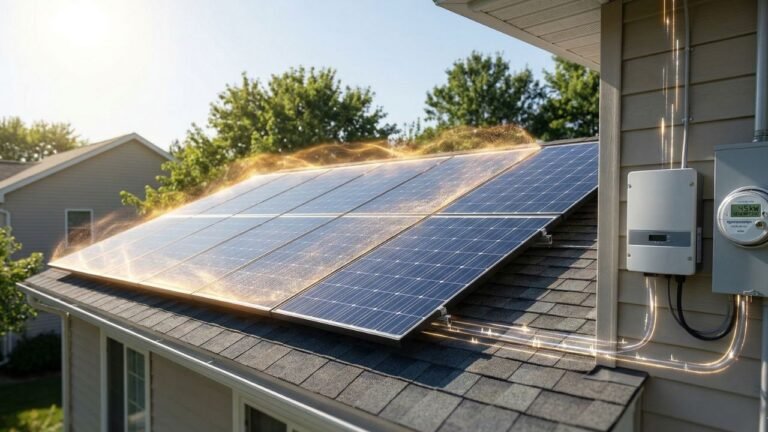
Solar panels do something that feels almost magical. They take light from the sun and turn it straight into electricity you can use right away.
This process relies on something called the photovoltaic effect, discovered back in the 1800s but perfected for homes only in recent decades.
At the core, each panel holds dozens of solar cells made mostly from silicon. When sunlight hits these cells, it knocks electrons loose.
Those electrons flow through wires inside the panel, creating direct current, or DC, electricity. Your home runs on alternating current, or AC, so an inverter changes it for you. Simple as that.
Picture this. On a bright afternoon, your roof quietly powers the fridge, lights, and even charges your phone without you lifting a finger.
Now, not every ray of light gets used. Some reflects away or turns into heat. Modern panels grab about 15 to 22 percent of the energy that hits them.
That number keeps climbing with new tech, though. Manufacturers keep tweaking the silicon layers to squeeze out more power from the same sunlight.
The Key Parts Inside Every Solar Panel
Each panel looks simple from the outside, yet it packs clever engineering. Here is what you will find under the glass:
- Solar cells: The heart of the action, usually 60 or 72 per panel.
- Glass cover: Protects everything while letting light through.
- Aluminum frame: Keeps the panel sturdy and easy to mount.
- Junction box: Hides the wiring and diodes that prevent power from flowing backward at night.
- Back sheet: Shields the cells from moisture and heat.
These parts work together like a well-oiled team. If one cell goes bad, the rest keep going thanks to bypass diodes. That built-in toughness means panels last 25 years or more with almost no drama.
Types of Solar Panels Compared
Not all panels perform the same. Picking the right one depends on your roof space, budget, and how much sun you get.
Here is a quick side-by-side look at the three main kinds:
| Type | Efficiency | Price per Watt | Best For | Look |
|---|---|---|---|---|
| Monocrystalline | 15-22% | Higher | Small roofs, max power | Black, sleek |
| Polycrystalline | 13-16% | Lower | Bigger budgets, value | Blue, speckled |
| Thin-film | 7-13% | Lowest | Large areas, flexible use | Thin, flexible sheets |
Monocrystalline panels win for most homes because they pack the most punch in limited space. I always recommend them to families who want the biggest savings without covering their entire roof.
Polycrystalline offers a solid middle ground when you want to save upfront. Thin-film shines on big commercial buildings or curved surfaces where weight matters.
Why Solar Panels Deliver Real Benefits
Switching to solar panels brings more than just lower bills. You gain energy freedom, help the planet, and even boost your home’s value. Let us break it down.
First, the money side. Average US households spend over $1,500 a year on electricity. A well-sized solar power system can cut that by 70 to 90 percent. Many families see payback in 6 to 10 years, then enjoy nearly free power for the next 15 years or longer.
Second, you cut your carbon footprint big time. One typical home system avoids about 100,000 pounds of carbon dioxide over its lifetime. That is like planting 1,200 trees. Every little bit adds up when millions of roofs join in.
Third, you protect yourself from rising utility rates. When your neighbor’s bill climbs, yours stays steady. Plus, many states offer net metering, so extra power you make on sunny days rolls your meter backward and earns you credits.
I have seen neighbors light up when they check their first solar bill. One told me, “It feels like the sun is paying me.” That kind of freedom is hard to beat.
Steps to Choose and Install Solar Panels
Ready to move forward? Here is a straightforward plan that works for most people.
- Check your roof. It needs at least six hours of daily sun and good south-facing space.
- Review past electric bills. A solar installer uses them to size your system right.
- Get multiple quotes. Compare at least three local companies.
- Look into incentives. Federal tax credits and state rebates can cover 30 percent or more of the cost.
- Pick your equipment. Focus on panels with strong warranties.
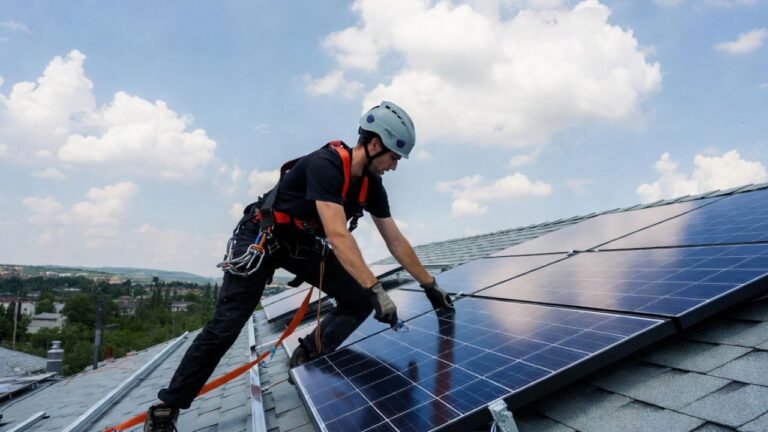
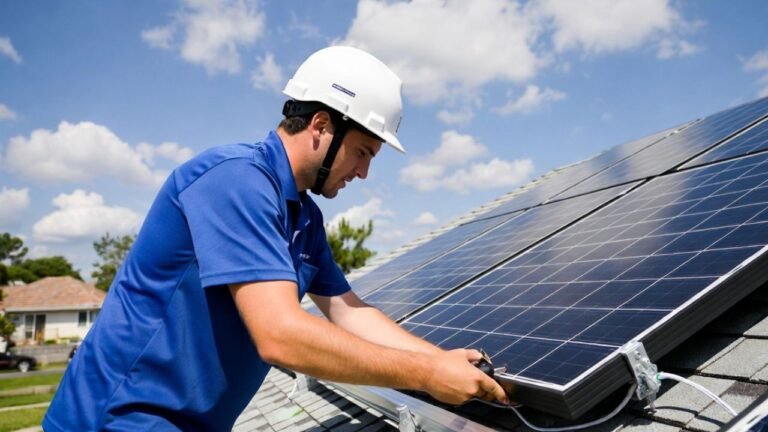
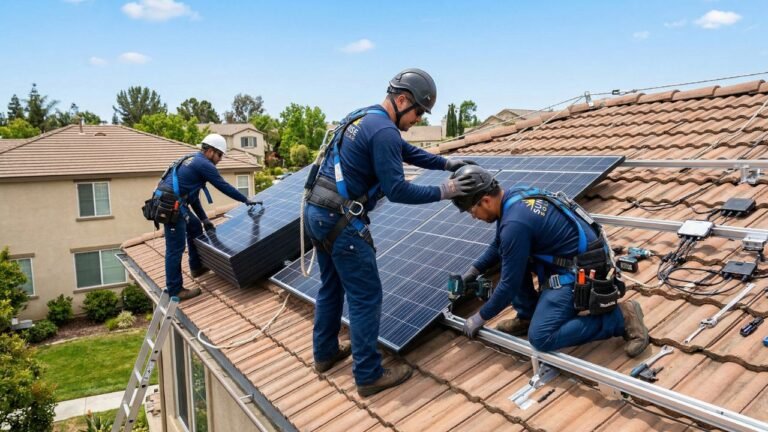
- Hire certified installers. They handle permits and grid connection.
- Flip the switch and start saving.
Most installations finish in one or two days. You stay home the whole time, and the crew cleans up afterward. Easy.
For the latest on federal incentives, visit the official U.S. Department of Energy site at energy.gov. They keep everything updated and trustworthy.
Understanding Costs and Long-Term Savings
Upfront costs still stop some folks, but prices keep dropping. A full residential solar power system usually runs $15,000 to $25,000 after incentives. That covers panels, inverter, mounting, and labor for an average three-bedroom home.
Financing options make it painless. Many companies offer zero-down loans with payments lower than your old electric bill. You start saving from day one. Add in rising electricity prices, and your return looks even better.
Over 25 years, most owners save $25,000 to $50,000 total. That is real money you can spend on vacations, college, or just breathing easier.
The Environmental Wins You Might Not Expect
Beyond cutting emissions, solar panels help in surprising ways. They reduce demand on coal and gas plants, easing strain on the grid during heat waves. In drought-prone areas, they save water because traditional power plants use tons of it for cooling.
Wildlife benefits too. Less mining for fossil fuels means fewer disturbed habitats. And modern panels use recyclable materials, so end-of-life waste stays low.
When you go solar, you join a movement that is reshaping America’s energy future. It feels good knowing your roof fights climate change every sunny day.
Keeping Your Solar Panel System Running Smoothly
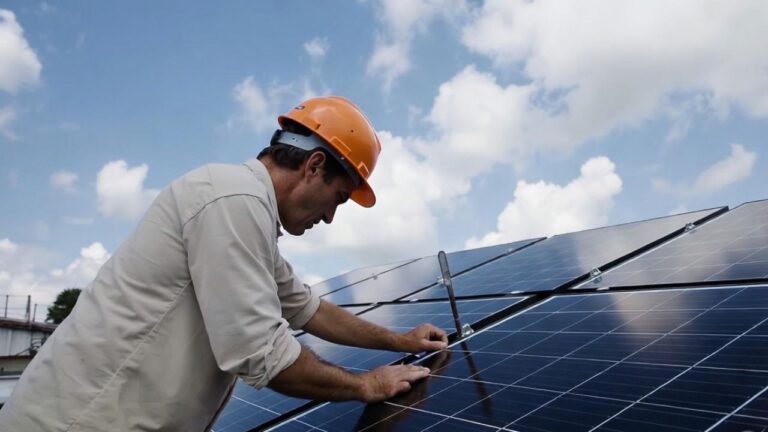
Maintenance is refreshingly simple. Panels have no moving parts, so they rarely break. Just rinse them with a garden hose twice a year to clear dust and pollen. That keeps efficiency high.
Check the inverter display once a month. It tells you how much power you are making. If anything looks off, your installer can remote-diagnose most issues.
Warranties cover 25 years on panels and 10 to 15 years on inverters. Most companies offer free inspections during that time. Peace of mind comes standard.
Now that you know the basics, you can see why solar panels keep winning hearts. They are not just gadgets. They are a smart investment in your wallet and the world around you.
FAQs About What Is a Solar Panel
How Much Do Solar Panels Cost on Average?
Prices have fallen a lot in recent years. After federal tax credits, most homeowners pay between $15,000 and $25,000 for a complete system. Your exact number depends on your location, roof size, and energy needs. Local installers give free quotes that factor in everything.
Can Solar Panels Work on Cloudy or Rainy Days?
Yes, they still produce power, just less. On overcast days, you might get 10 to 30 percent of full output. Batteries or grid connection keep your lights on after dark. Even in cloudy Seattle or Portland, solar power systems pay for themselves.
Do I Need Batteries With My Solar Panel Setup?
Batteries are optional but growing popular. They store extra daytime energy for nights or outages. Without them, you stay tied to the grid and enjoy net metering credits. Add batteries later if blackouts worry you or you want full independence.
Conclusion
Solar panels have come a long way from bulky experiments to sleek, affordable home solutions. They give you clean power, big savings, and pride in doing your part for the planet. If you have been thinking about making the switch, now is a great time.
Start with a quick roof check and a couple of quotes. You might be surprised how fast the numbers add up in your favor.
Disclaimer: This article shares general information for educational purposes only. It is not professional advice. Always consult licensed solar installers, electricians, and tax experts for decisions about your specific situation. Local rules and incentives can change, so verify details with official sources.