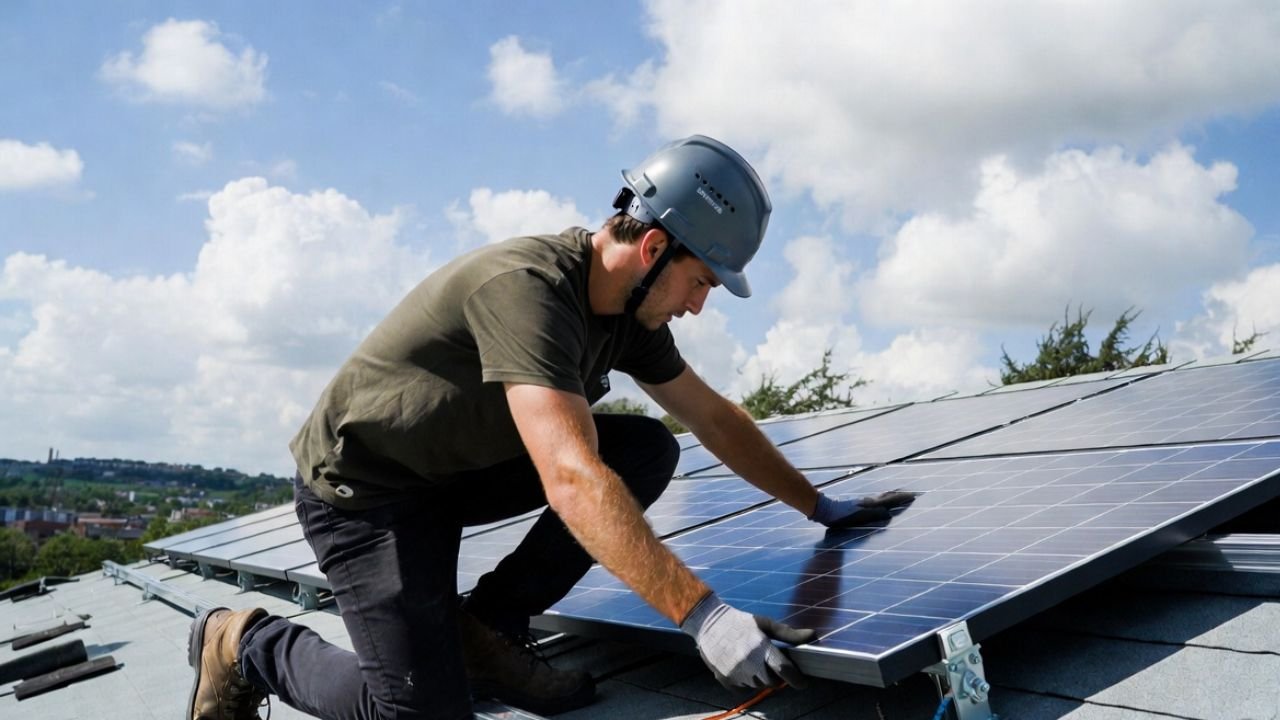
Are Solar Panels Worth It in Texas in 2026?

Hey there, fellow Texan. If you are staring at your latest electric bill and wondering are solar panels worth it in Texas, you are not alone. With electricity rates climbing thanks to all those data centers and summer AC demands, more homeowners across the Lone Star State are asking the same question.
Here at Solar Panel Insights, we dig into the practical side of things so you get straight talk, no hype. The short answer? Yes, solar panels are still a smart move for most Texas families in 2026, even without the old federal tax credit.
You will see real solar energy savings, lock in lower bills, and enjoy energy independence under that big Texas sky.
But let us break it down so you can decide for your own roof.
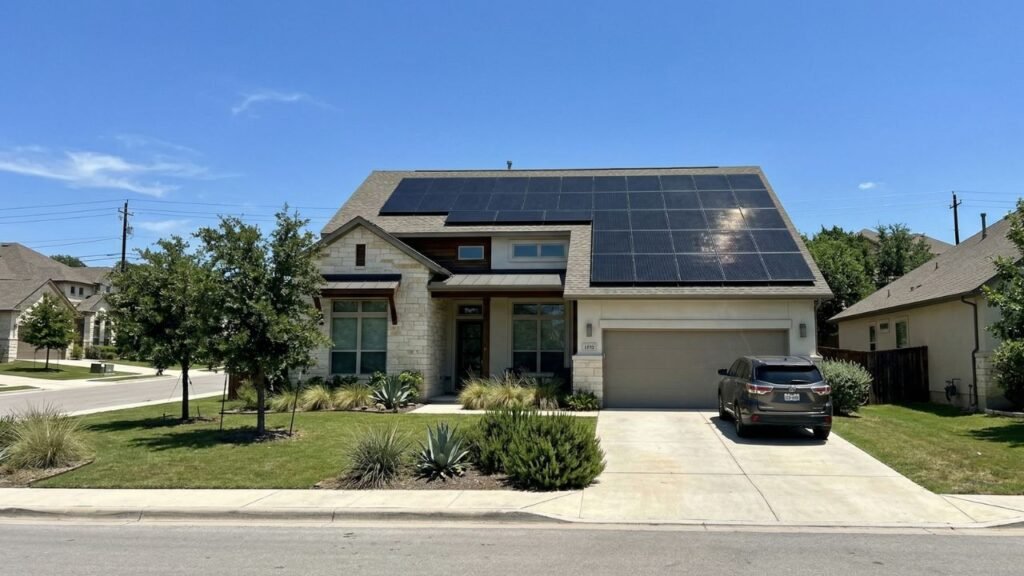
Now, let us dive into why Texas stands out as one of the top spots for solar power.
Why Solar Panels Shine Bright in Texas Right Now
Texas gets more sunshine than almost anywhere else in the country. We are talking five to six peak sun hours a day on average, especially in places like El Paso, San Antonio, and Houston. That means your panels crank out serious power year-round.
And with electricity prices up over 30 percent since 2021, those solar energy savings add up fast. A typical homeowner here can slash their bill by 70 to 90 percent once the system is humming.
Let us look at the numbers.
How Much Does a Residential Solar Installation Cost in Texas?
The good news? Texas offers some of the lowest residential solar installation prices in the nation. As of early 2026, you are looking at about $2.00 to $2.50 per watt installed.
For a typical 10- to 14-kilowatt system that powers the average Texas home, that works out to $20,000 to $35,000 before any breaks.
No more 30 percent federal tax credit for new installs this year, thanks to the changes at the end of 2025. But do not let that scare you off.
Texas still gives you a full property tax exemption on the added value of your solar panels. That alone can save you $8,000 to $15,000 over the system’s life.
Some cities sweeten the deal too. Austin offers up to a $2,500 rebate for qualifying systems, and a handful of other spots have local programs.
Here is a quick comparison table of average costs:
| System Size | Average Cost (2026) | Monthly Bill Savings Estimate | Payback Time |
|---|---|---|---|
| 8 kW | $18,000 | $120–$160 | 8–10 years |
| 12 kW | $26,000 | $180–$240 | 7–9 years |
| 14 kW | $32,000 | $220–$280 | 6–8 years |
These figures come from real Texas installs and factor in rising utility rates. Shop around with at least three local installers to lock in the best deal.
Texas Solar Incentives: What Is Left in 2026?
Texas keeps things simple but effective. No statewide rebates like some other places, but the property tax break is huge. Plus, in our deregulated energy market, you pick your retail electricity provider.
Many now offer solid buyback plans for extra power you send to the grid. It is not full net metering everywhere, but smart shopping can get you credits that stack nicely with your solar panel efficiency.
Check out the Solar Energy Industries Association website for the latest on state trends. They track how Texas leads the pack in total solar capacity. And for federal details, energy.gov still has solid overviews even after the credit shift.
Unpacking Your Solar Energy Savings Over Time
Picture this. You install today and your system lasts 25 to 30 years with minimal maintenance. Panels lose only about 0.5 percent efficiency per year, so they keep performing strong. In Texas, that high sun exposure means faster returns.
Most folks see payback in eight to twelve years now. After that? Pure profit. Over 25 years, the average Texas household pockets $40,000 to $80,000 in total savings. That covers everything from pool pumps to EV chargers without the shock of another rate hike.
Rising rates from ERCOT grid strain make solar even smarter. Data centers and industry are pulling power like never before, so your fixed solar costs look better every year.
Real talk: these solar energy savings feel good in your wallet and for the planet.

Boosting Performance with Solar Panel Efficiency in Texas
Modern panels hit 20 to 23 percent efficiency, turning more sunlight into usable power than ever. In Texas heat, choose panels rated for high temperatures to avoid drops in output. Monocrystalline options work great here because they handle our intense sun without losing much juice.
Pair them with a quality inverter and optional battery storage for those rare cloudy days or outages. Batteries add cost but give you true independence, especially during summer storms. Many installers now bundle them at competitive rates.
Step-by-Step Guide to Your Residential Solar Installation
Ready to move forward? Here is how it usually goes:
- Check your roof. South-facing, unshaded spots work best. Most Texas homes qualify.
- Get quotes. Use free tools from local pros who know our weather and regs.
- Pick your system size. Aim to cover 80 to 100 percent of your usage based on last year’s bills.
- Choose financing. Cash, loan, or lease—each has pros for different budgets.
- Handle permits. Your installer manages most of this, but expect a quick city review.
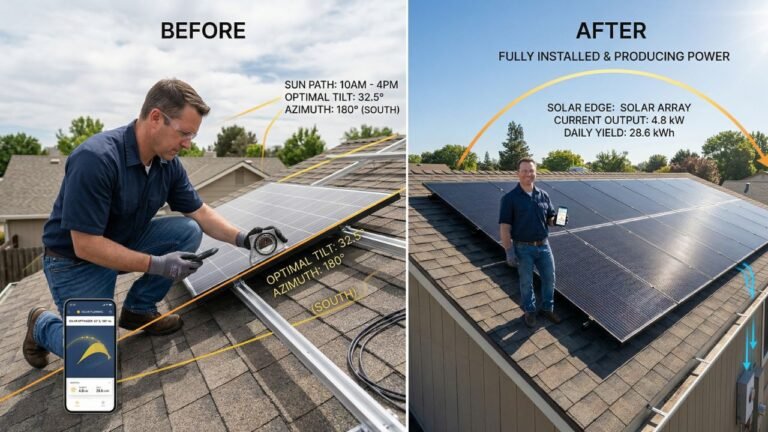
- Watch it produce. Most systems fire up in four to eight weeks.
It feels overwhelming at first, but reputable crews make it smooth. At Solar Panel Insights, we always say start with a site visit from someone local.
Real-World Benefits Beyond the Bills
Lower costs are the headline, but solar brings more. You gain protection from future rate spikes. You cut your carbon footprint without changing your lifestyle. And home values often rise by about $15,000 on average when buyers see those panels.
Plus, in a state that loves independence, generating your own power just feels right. Neighbors tell me it gives peace of mind during heat waves when the grid strains.
Addressing Common Worries About Solar in Texas
Some folks worry about hail or high winds. Good news: modern panels pass tough impact tests and come with warranties that cover Texas weather. Maintenance is easy too—just hose them off a couple times a year.
Others ask about the upfront price. Loans with low rates and no-money-down options make it accessible. Leases work if you want zero hassle, though buying usually saves more long-term.
FAQs About Are Solar Panels Worth It in Texas
How long does it take for solar panels to pay for themselves in Texas?
Most systems pay back in eight to twelve years thanks to low install costs and strong sunshine. After that, you enjoy free electricity for another 15-plus years. Your exact timeline depends on system size and local rates, but Texas numbers beat the national average.
Do Texas utilities offer good buyback for extra solar power?
It varies by your retail electricity provider, but many have solid plans that credit you for excess generation. Shop plans carefully since true one-to-one net metering is not statewide. The right choice can boost your solar energy savings even more.
Will solar panels work well during Texas summers and storms?
Absolutely. High-efficiency panels thrive in our sunny climate, and they are built to handle heat, hail, and wind. Pair with proper mounting and you will generate plenty even on the hottest days.
Ready to Make the Switch? Your Next Step
So, are solar panels worth it in Texas?
For most homeowners and small businesses here, the answer is a clear yes. You cut bills, protect against rate hikes, and invest in something that lasts decades. The abundant sun, low costs, and property tax perks make 2026 a great time to go solar.
At Solar Panel Insights, we are all about practical advice that fits real Texas life. Reach out to a trusted local installer for a no-pressure quote. Your future self, and your wallet, will thank you.
Disclaimer: This post shares general information based on current 2026 data and is not financial, tax, or legal advice. Savings vary by home, usage, and provider. Always consult a qualified solar professional, tax advisor, and your utility for personalized details.