How Long Do Solar Panels Take to Install in 2026?

If you’re wondering how long do solar panels take to install, you’re not alone. Many homeowners in the US start their solar journey with this exact question.
The good news? The physical work on your roof often wraps up faster than you might think. But the full process from your first call to flipping the switch on clean energy? That takes a bit more planning.
At Solar Panel Insights, we break it down for you with real-world insights so you can decide if residential solar installation fits your timeline and goals.
Think about it. Your neighbor down the street might have mentioned switching to solar last year and raving about the solar energy savings. Yet, when you ask for details, they talk about months of waiting, not just a weekend project.
We’ll cover the typical timelines, what actually happens during each step, and the factors that can speed things up or slow them down.
By the end, you’ll have a clear picture to chat confidently with installers.
How Long Does It Really Take to Install Solar Panels?
Most folks expect the answer to how long do solar panels take to install to be a simple number of days. But the truth is more like a multi-stage journey.
From signing the contract to powering up your system, the average residential solar installation takes between two and six months in 2026. Some lucky setups finish in as little as four weeks, while others stretch to eight or more if red tape gets involved.
Why the range? It depends on where you live, the size of your system, and even local rules. The actual mounting of panels on your roof? That’s the quick part, usually one to three days for a standard home setup.
The rest of the time goes into planning, approvals, and final checks.
Let’s walk through each phase so you know what to expect.
Phase 1: Consultations and Site Assessment (1 to 4 Weeks)
It all starts with a conversation. You reach out to a local installer, share your energy bills, and they visit your property. During this site assessment, they measure your roof, check for shade from trees or chimneys, and crunch numbers on how much solar panel efficiency you can expect.
This step feels exciting because you see custom designs tailored to your home. For most homeowners, it wraps up in one to two weeks. But if your roof needs minor repairs first, like replacing a few shingles, add a bit more time.
Pro tip: Gather your past 12 months of utility bills ahead of time. It speeds everything along.
Phase 2: Design and Permitting (2 to 8 Weeks)
Here’s where things can drag a little. Your installer draws up detailed plans showing panel layout, wiring, and inverter placement. Then they submit everything to your local building department for permits.
Permitting is the biggest wildcard in any residential solar installation. In fast-moving areas like parts of Texas or Florida, you might get approval in two weeks.
In busier spots like California or New York suburbs, it can take four to eight weeks. Some cities have streamlined online systems now, which helps cut the wait.
During this phase, you might also apply for solar incentives 2026. The federal Investment Tax Credit still offers up to 30% off, and many states sweeten the deal with extra rebates. Check out energy.gov for the latest on federal programs to lock in those solar energy savings early.
Phase 3: The Physical Installation (1 to 3 Days)
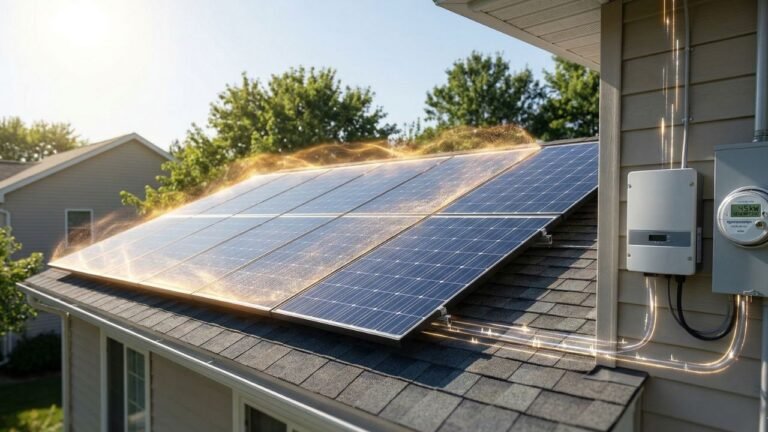
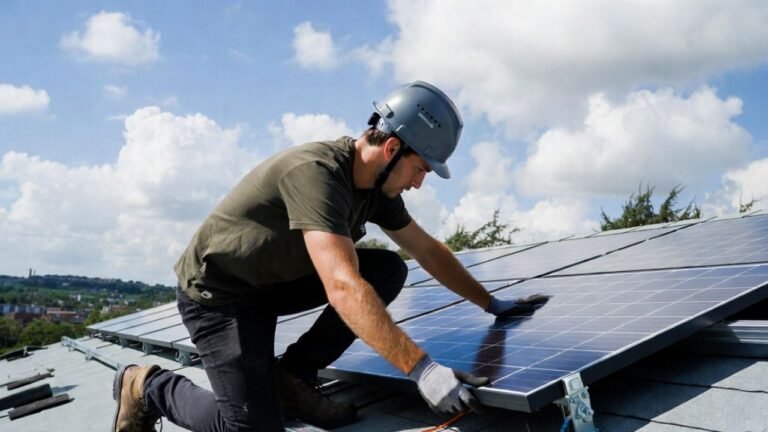
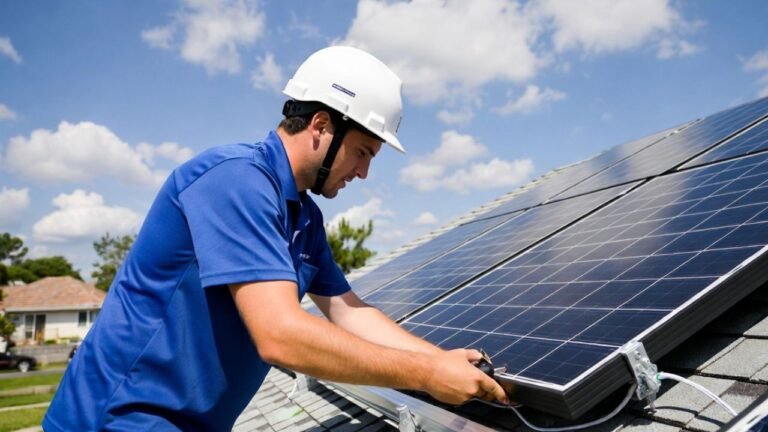
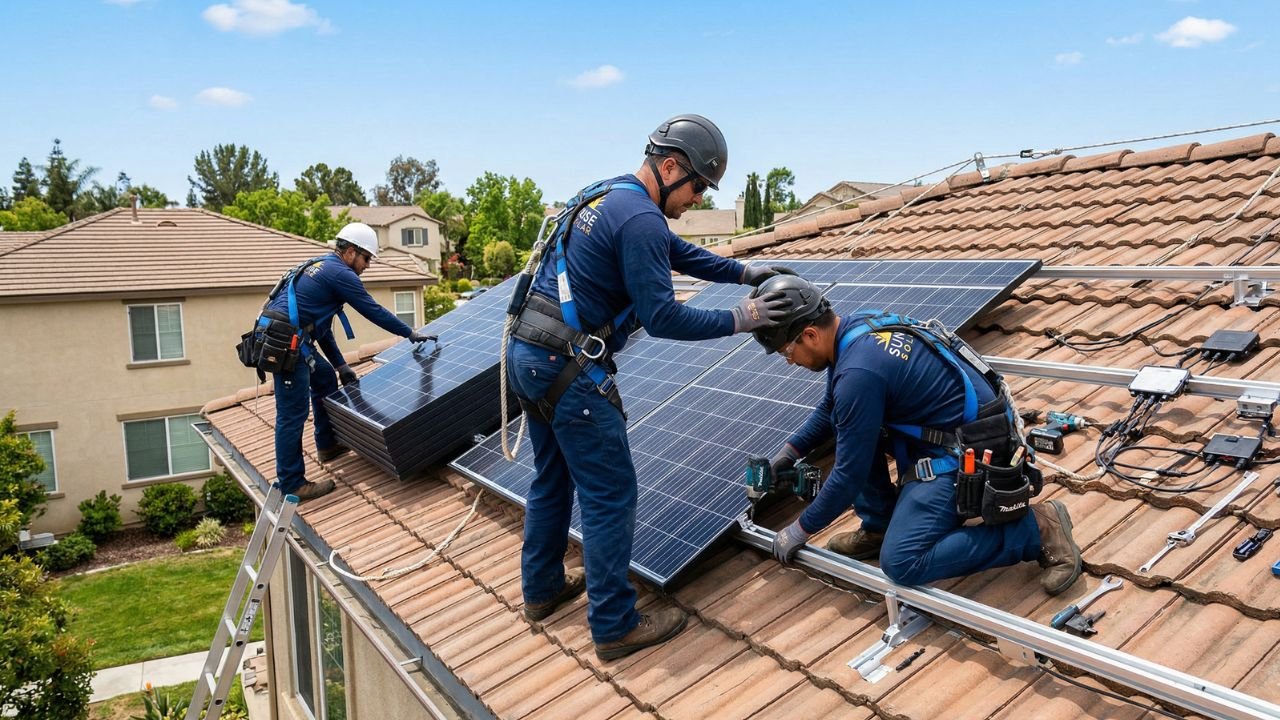
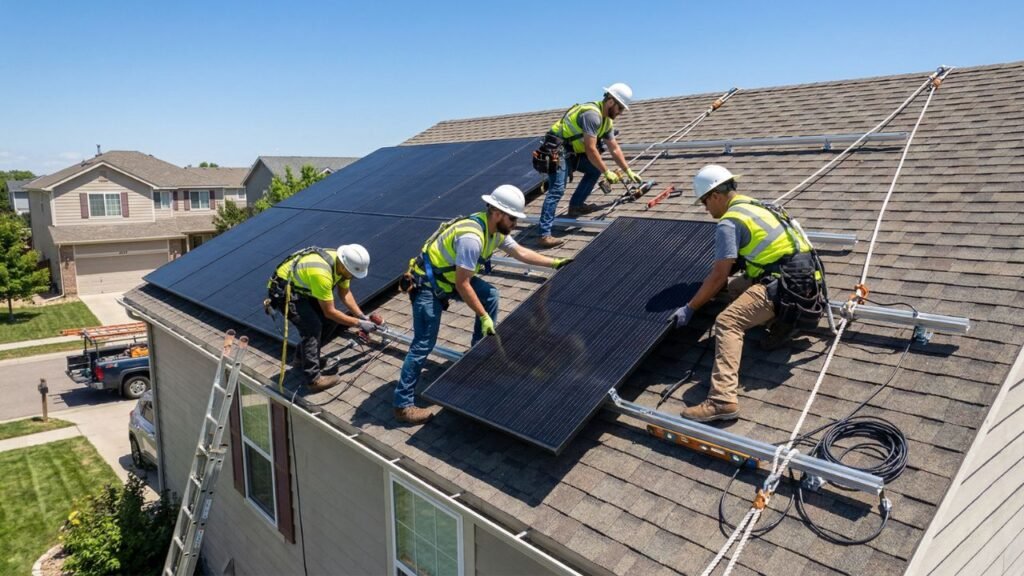
This is the part everyone pictures when they ask how long do solar panels take to install. A crew of four to six pros shows up with trucks full of equipment. They secure the mounting racks, attach the panels, wire the inverters, and connect everything to your electrical panel.
For a typical 6- to 10-kilowatt system on a straightforward roof, the job often finishes in one full day. Bigger setups or those with battery storage might stretch to two or three days. Weather plays a role too. No one works safely in pouring rain, so a surprise storm could push things back 24 hours.
You’ll see the transformation happen fast. One morning your roof looks normal. By sunset, shiny new panels are soaking up the sun. It’s pretty cool to watch.
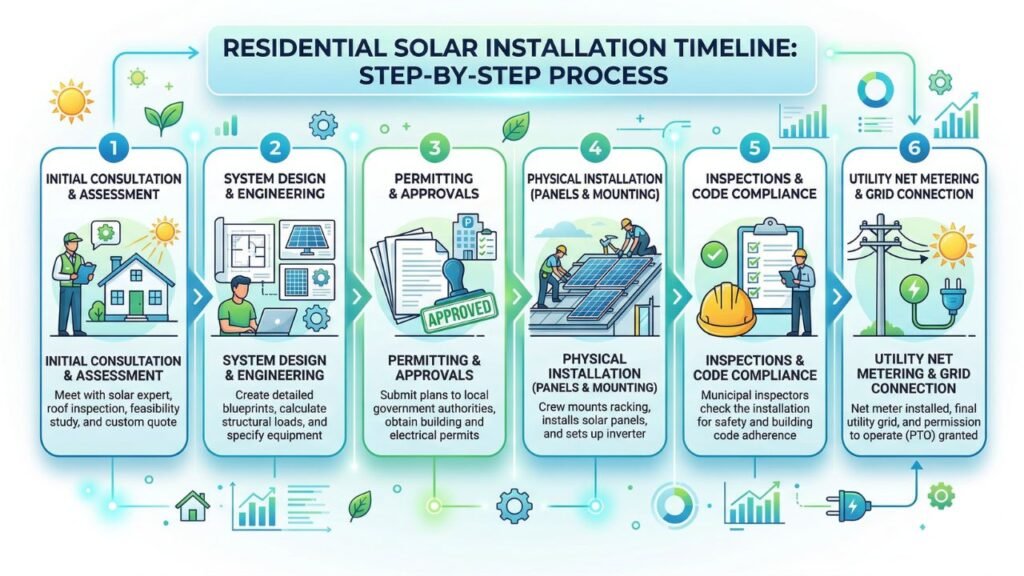
Phase 4: Inspections, Interconnection, and Power On (1 to 4 Weeks)
Once the panels are up, it’s not quite time to celebrate yet. Local inspectors check the work for safety and code compliance. Then your utility company reviews the interconnection application so you can send excess power back to the grid.
This final stretch usually takes one to four weeks. The good news? Many installers handle the paperwork for you. When everything clears, they flip the switch, and your system starts producing clean electricity. That’s when the real solar energy savings kick in on your monthly bill.
Factors That Can Change How Long Solar Panels Take to Install
Not every project follows the same clock. Here are the top things that affect your timeline:
- System size and add-ons: A small 5-kilowatt setup goes up quicker than a 15-kilowatt one with batteries.
- Roof type and condition: Flat roofs or those needing repairs add half a day or more.
- Your location: Urban areas with strict rules take longer than rural spots.
- Weather and crew availability: Summer heatwaves or winter snow can delay outdoor work.
- Homeowner association rules: Some HOAs require extra reviews, tacking on weeks.
If any of these sound familiar, talk to your installer upfront. Many offer fast-track options for simple roofs.
| Factor | Typical Impact on Timeline | How to Speed It Up |
|---|---|---|
| Permitting | Adds 2-8 weeks | Choose installers familiar with your city |
| Roof Complexity | +1 day during install | Get a pre-install roof inspection |
| System Size | 1 day vs. 3 days | Start with a right-sized system |
| Weather | 1-2 day delays | Schedule for spring or fall |
| Battery Storage | +1 day | Plan it from the design stage |
Numbers like these come from real 2026 installer reports across the country. They help you set realistic expectations.
Why the Wait Is Worth It: Real Benefits of Residential Solar Installation
Sure, the process takes time. But once those panels are humming, the payoff is huge. Most homeowners see solar energy savings of 50% to 90% on their electric bills within the first year. Over 25 years, that adds up to tens of thousands of dollars.
Plus, modern solar panels boast impressive efficiency ratings, often 20% or higher. They work great even on cloudy days. And with net metering still available in most states, you earn credits for extra power you send to the grid.
I remember chatting with a family who went solar in early 2025. Their full process took about 10 weeks because of quick permitting there. Now they power their EVs for pennies and enjoy peace of mind during summer blackouts.
Stories like theirs pop up every day on Solar Panel Insights.
Ready to explore your options? Many installers offer free quotes with no obligation. Just make sure they explain the full timeline for your specific home.
Pro Tips to Keep Your Solar Project on Track
Want to shave weeks off the wait? Here are a few practical steps:
- Get multiple quotes from certified installers right away.
- Fix any roof issues before signing the contract.
- Stay responsive to emails about permits and inspections.
- Ask about current solar incentives 2026 to maximize your return.
- Consider adding monitoring apps so you can track production from day one.
These small moves make a big difference in how smoothly your residential solar installation goes.
FAQs About Solar Panel Installation Time
How long does the physical solar panel installation take on a typical home?
Most residential setups finish in one to three days. A standard roof with 20 to 30 panels can be done in a single workday by an experienced crew. Bigger or more complex jobs might need an extra day or two.
What is the total time from contract to solar power on?
Expect two to six months overall in 2026. The physical install is quick, but design, permitting, and utility approvals make up the bulk of the wait. Your installer can give you a personalized estimate based on your address.
Can bad weather or roof issues make solar panels take longer to install?
Absolutely. Rain, snow, or a roof that needs repairs can add days or even weeks. That’s why smart homeowners schedule a pre-install inspection and aim for milder seasons like spring or fall.
Now you know exactly how long do solar panels take to install and why the wait pays off big time. If you’re serious about cutting your energy costs and boosting your home’s value, the next step is simple. Reach out to a trusted local pro today.
At Solar Panel Insights, we’re here with fresh tips and honest advice to make your solar switch smooth and rewarding.
Disclaimer: The information provided by Solar Panel Insights is for educational purposes only and should not replace professional advice from licensed solar installers or financial advisors. Timelines and savings can vary by location, system specs, and current incentives. Always verify details with qualified experts in your area.