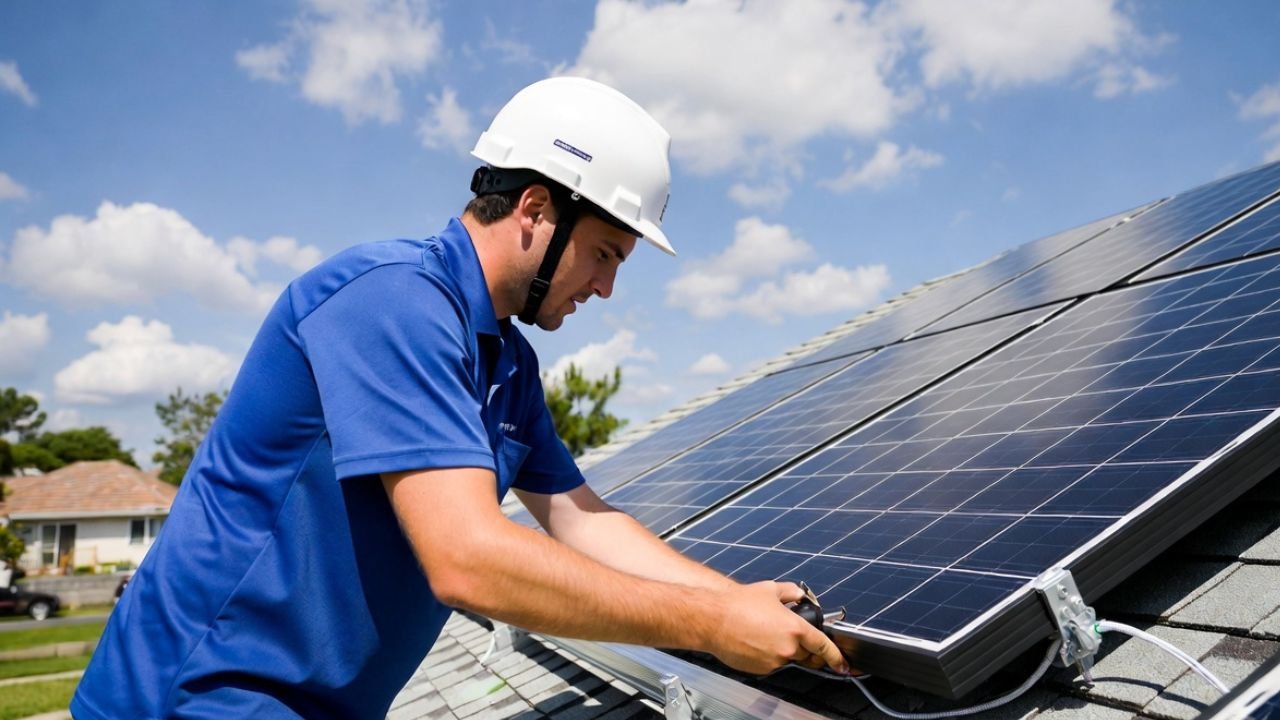
When Is the Best Time to Install Solar Panels?

If you’re tired of watching your electric bill climb every summer, you’ve probably asked yourself the same question I hear from homeowners all the time: when is the best time to install solar panels?
The answer might surprise you. It’s not about chasing the hottest sunny day. It’s about smart timing that lines up milder weather, quicker install dates, and the start of your biggest energy savings.
Why Timing Your Solar Panel Installation Matters
Timing isn’t just about convenience. Get it right and you start saving sooner, avoid long wait lists, and position your panels to capture peak summer sun. Get it wrong and you could face hot roofs for workers, delayed permits, or missing out on local incentives that change yearly.
Think about it. The whole process, from first quote to flip-the-switch, it usually takes three to six months. If you want free power flowing by July when your air conditioner runs nonstop, you need to start planning now.
Here’s the good news. In 2026, installer schedules are more open than they were during the big tax-credit rush of 2025. Prices have stabilized in many areas, and panels work better than ever. The key is choosing the season that matches your local climate and lifestyle.
The Best Seasons for Solar Panel Installation
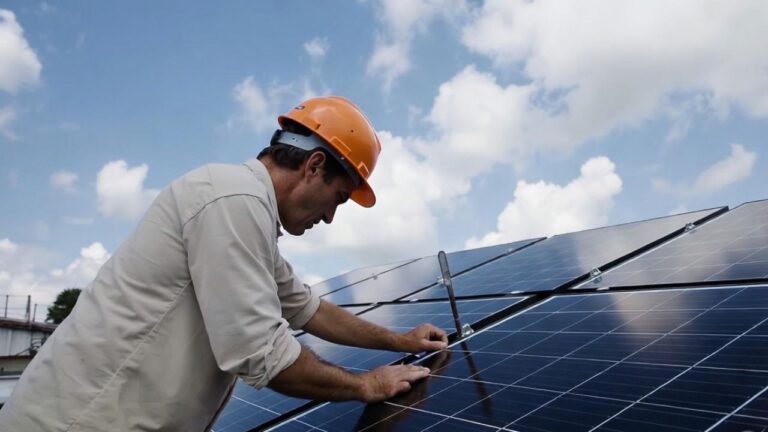
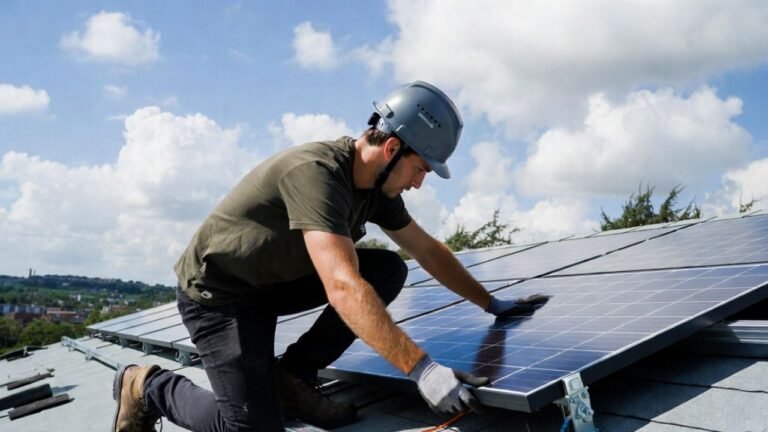
Most experts I talk with point to spring and fall as the sweet spot for solar panel installation timing. Why? The weather stays mild, crews can work safely on your roof, and you skip the crazy summer backlog.
Spring (March to May)
Cool mornings make long days on the roof comfortable. Days grow longer, so your new system starts producing right away. Installers have more openings after the winter slowdown. Plus, you line up perfectly for those big summer savings.
One homeowner in California installed in April and cut her June bill by 85%. That’s the kind of story I love sharing.
Fall (September to November)
Cooler air again, plus many families finish home projects before the holidays. Demand drops after summer, so you often snag faster permit approvals and sometimes better pricing. Your system will be ready when winter heating bills arrive, and you’ll enjoy full production the following spring.
A couple in Florida told their October install paid for itself faster than they expected because they locked in lower rates before peak season.
Summer can work if you’re flexible, but crews sweat through 90-degree days and wait lists grow. Winter works fine in sunny spots like Arizona or southern California, but snow or freezing rain can slow things down up north.
Here’s a quick comparison to help you picture it:
| Season | Weather for Install | Installer Availability | When You Start Saving | Best For |
|---|---|---|---|---|
| Spring | Mild and dry | High | Summer peak | Families planning ahead |
| Summer | Hot and humid | Low | Late summer | Urgent bill relief |
| Fall | Cool and crisp | High | Next spring/summer | Budget-conscious buyers |
| Winter | Cold in north, fine in south | Medium | Spring | Snow-free southern states |
Pick the one that fits your calendar and you’ll thank yourself later.
How Weather Plays a Role in Optimal Solar Installation Timing
Nobody wants crews slipping on ice or baking under a July sun. Mild temperatures mean faster, safer work. In most parts of the country, spring and fall deliver exactly that, no extreme heat, no deep freezes.
Rain or snow can pause a job for a day or two, but modern crews handle light weather without much trouble. The real win comes after install. Your panels love those long summer days. Install in spring and you capture every extra minute of sunshine as the season ramps up. That’s what I call smart solar panel installation timing.
If you live in a rainy area like the Pacific Northwest, fall still edges out because the ground dries enough for equipment. In the desert Southwest, winter actually feels pleasant for roof work.
The point? Your local forecast matters more than a national calendar.
Getting the Most Production Out of Your New Solar System
Here’s a fun fact most people miss. Solar panels don’t need blazing sun to work well, they just need daylight. But the real payoff hits when your system comes online before the high-use months.
Install in late winter or early spring and you’re set for the June-July-August energy bonanza. That’s when most homes run air conditioners hard.
Fall installs give you a head start on the next year. You might produce a little less right away, but you lock in savings over the long haul. Either way, the sooner you go solar, the sooner you stop paying the utility company for power you can make yourself.
Incentives, Costs, and Why 2026 Still Feels Like a Great Year
The big federal 30% credit is gone, but don’t close the book yet. Many states still offer rebates, property-tax exemptions, or strong net-metering programs. Some utilities even pay you for extra power you send back to the grid.
Check your options early. Programs can fill up or change. The Database of State Incentives for Renewables & Efficiency at dsireusa.org keeps the most up-to-date list.
I also recommend the U.S. Department of Energy’s homeowner guide at energy.gov for plain-English explanations.
In 2026, panel prices have settled after last year’s rush. Many installers offer flexible financing with no big upfront payment. When you add rising electric rates—up 3-5% in many states this year—the math still works in your favor.
A typical family saves $1,500 to $2,500 a year once their system runs.
Steps to Pick Your Perfect Solar Panel Installation Timing
Ready to move? Follow these simple steps:
- Check your electric bills for the past 12 months. See which months cost the most.
- Look up local weather patterns and installer reviews in your zip code.
- Get three free quotes now—most are good for 30 days.
- Ask about current state rebates and how long permits usually take.
- Choose a start date that puts your system online before your high-bill season.
Most homeowners tell me the hardest part was just picking up the phone. Once they started, everything moved faster than expected.
Regional Tips Across the United States
Your zip code changes the game. In sunny Arizona or Florida, winter installs work great because the weather stays mild.
Up north in New England, spring avoids mud season and gives you summer production right away. The Midwest often sees the best deals in fall when demand slows.
No matter where you live, one truth holds: the best time to install solar panels is when you’re ready to start saving. Waiting for the “perfect” moment usually costs more in the long run.
How Long Does the Whole Process Take?
From first call to turning on your system, plan on three to six months. Permits and utility approvals take the longest—sometimes 30 to 90 days.
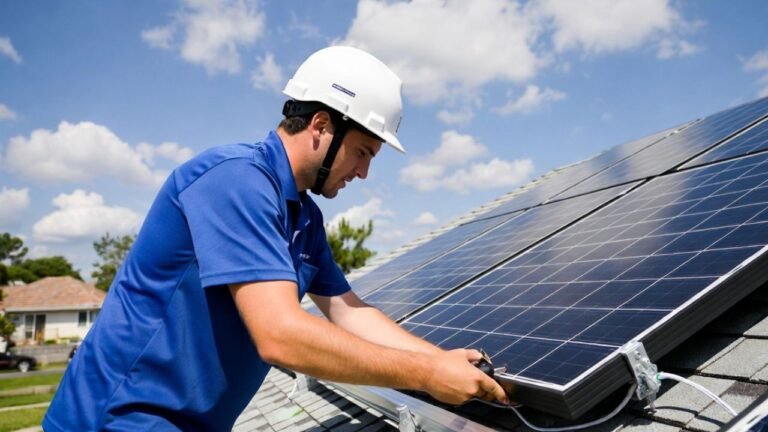
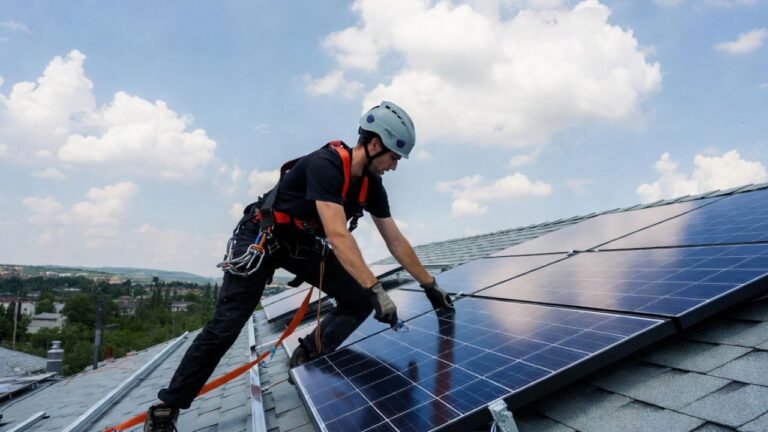
The actual roof work? Usually just one to three days. That’s why starting in spring or fall gives you breathing room.
Is It Worth Installing Right Now in 2026?
Absolutely. Technology has never been better. Panels last 25 to 30 years. Batteries for nighttime power keep dropping in price. And every month you wait means another month of full-price electricity.
FAQs About When Is the Best Time to Install Solar Panels
Is Spring the Best Season for Solar Panels?
Yes, for most homeowners. Mild weather makes installation quick and safe, and your system starts producing just as days get longer. You’ll enjoy maximum savings during the hot summer months when energy use peaks.
Can I Install Solar Panels in Winter?
You can, especially in warmer states. Crews work year-round in many areas, and shorter wait times mean faster service. Just check your local forecast—snow or ice can add a few days, but the savings still add up quickly once spring arrives.
How Do Current Incentives Affect When I Should Go Solar?
With the federal credit gone after 2025, focus on state and local programs that still exist. Many have yearly limits, so acting in spring or fall gives you time to claim them before they run out. Always verify at dsireusa.org for the latest details in your area.
The bottom line? The best time to install solar panels is the moment you decide to take control of your energy future. Whether you choose a crisp fall day or a sunny spring morning, every season brings its own advantages. Start with a free quote today, match it to your local weather, and watch those savings roll in.
Disclaimer: This article offers general information based on industry knowledge and is not financial, tax, or legal advice. Solar savings vary by location, system size, and utility rates. Consult a licensed installer, tax professional, and your local utility for personalized guidance.