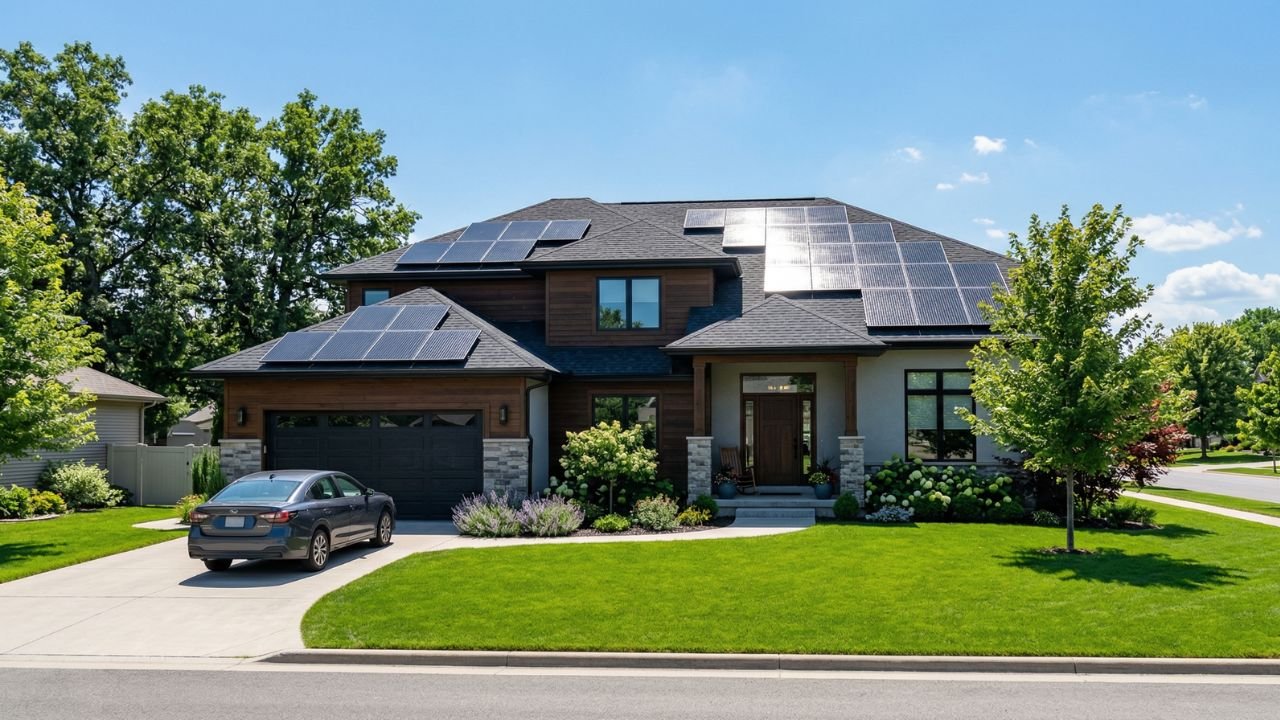
Buying a House with Solar Panels [Tips 2026]

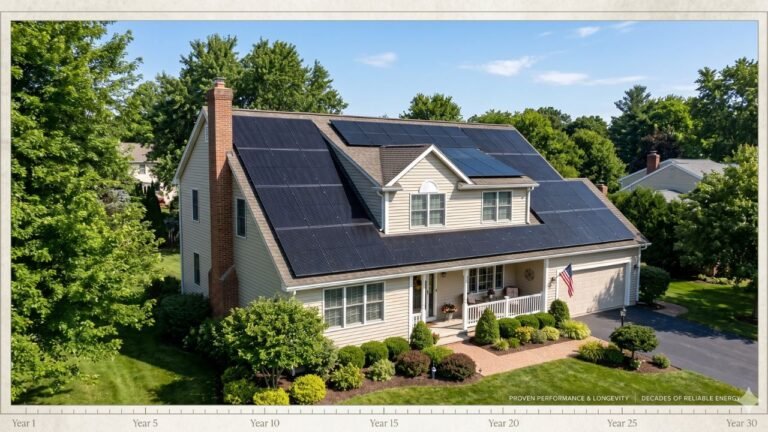
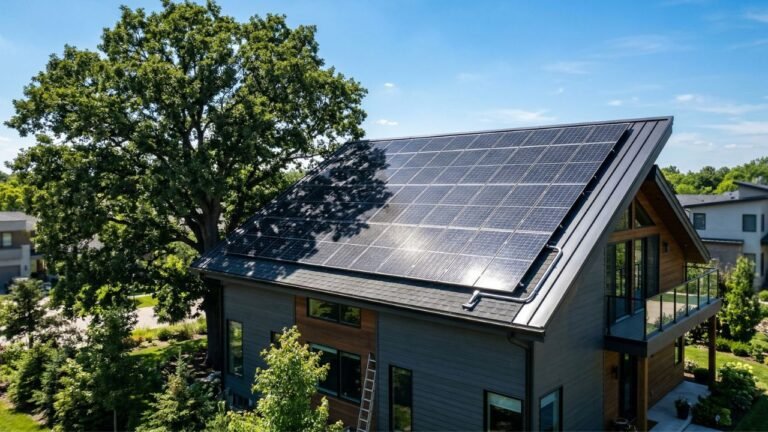
Have you ever wondered if buying a house with solar panels is the right move for your next home purchase? With energy prices climbing and more buyers seeking sustainable options, these homes are popping up everywhere.
At Solar Panel Insights, we hear from homeowners all the time who want the inside scoop on what it really means to take ownership of a property with an existing residential solar installation.
The good news? It can lead to real solar energy savings and boost your home’s appeal. But you need to know the details before you sign on the dotted line.
We’ll break it down step by step. You’ll learn the benefits, potential pitfalls, and exactly what to check during your home search.
Whether you’re a first-time buyer or upgrading to something more efficient, we’ll keep things straightforward so you can decide if it’s a smart fit for your family or business.
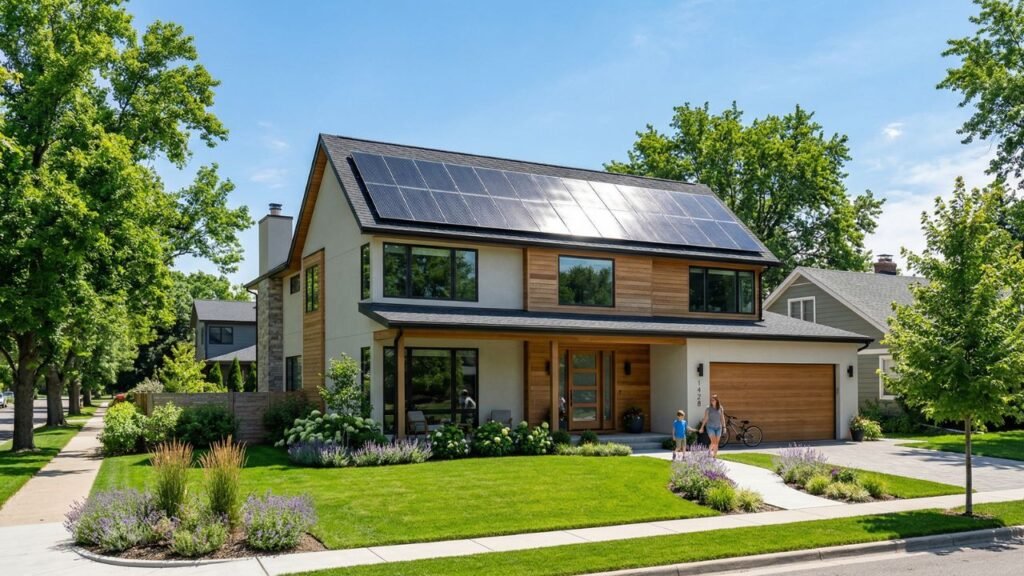
Why Buying a Home with Solar Panels Matters More Than Ever
Solar technology has come a long way, and in 2026, homes with panels stand out in the market. But is it worth it for you? Let’s dive in and explore what this means for your wallet, your lifestyle, and your future resale value.
The Benefits That Make It Worthwhile
First off, picture this. You move in, and your electric bill drops right away. That’s the reality for many folks buying a house with solar panels.
On average, homeowners see solar energy savings of around $1,800 to $2,400 per year, depending on where you live and your local utility rates. Over 25 years, that adds up to roughly $60,000 in total savings for the typical U.S. household. Not bad, right?
Plus, these homes often sell for more. Recent studies show properties with owned solar panels fetch 4 to 10 percent higher prices than similar ones without. In some markets, that translates to an extra $20,000 to $79,000 on the sale price.
Buyers love the idea of lower ongoing costs and energy independence, especially with electricity rates projected to keep rising.
Another big plus? Environmental impact. You step into a greener lifestyle without lifting a finger. And if the system includes battery storage, you get backup power during outages.
Key perks at a glance:
- Immediate reduction in utility bills
- Higher home resale value
- Energy independence and reliability
- No new installation hassle or disruption
Understanding the Potential Downsides
Of course, it’s not all sunshine and savings. Buying a house with solar panels comes with a few things to watch. For starters, older systems might need repairs or upgrades soon. Solar panel efficiency drops over time, so a 10-year-old setup could produce less power than a brand-new one.
Leased systems can complicate things too. If the previous owner didn’t own the panels outright, you might inherit payments or transfer fees. And maintenance? While panels are low-maintenance, you’ll want to budget for occasional cleaning or inverter checks.
Financing your purchase could get trickier if there’s an existing loan on the solar equipment. Some lenders require payoff at closing. Don’t forget about roof condition either. Panels last 25 years or more, but if the roof underneath needs replacing, that adds cost.
Still, these issues are manageable with the right prep work. The key is knowing what you’re getting into.
Key Things to Inspect Before You Buy
Don’t skip this part. A thorough check can save you headaches down the road. Start by asking the seller for all the details on the residential solar installation.
Here’s a simple checklist to guide you:
- Ownership status: Is it owned, leased, or under a power purchase agreement (PPA)?
- Age and warranties: How old are the panels and inverter? Do warranties transfer to you?
- Performance data: Request recent monitoring reports and past utility bills to see real output.
- System specs: What brand are the panels? What’s their efficiency rating?
- Roof and installation: Was the roof upgraded when panels went up? Any shading issues?
- Local rules: Check HOA restrictions or permitting records.
Hire a certified solar inspector. It’s worth the small fee for peace of mind. They can spot hidden problems like faulty wiring or underperforming components.
Quick tip: Always review the seller’s disclosure forms. Many states require them, and they often cover solar specifics.
How to Evaluate Solar Energy Savings and Home Value
Numbers don’t lie. When buying a house with solar panels, run the math on your potential savings. Factor in your average monthly electric use and local rates. Tools from sites like the U.S. Department of Energy can help estimate this. For the latest consumer advice, head to energy.gov for their handy guide on solar homes.
Now, about home value. Owned systems add real dollars. They can increase your property’s worth without raising taxes in states that offer exemptions. If you’re planning to sell in a few years, this could mean a nice return on the home’s overall price.
Compare it to a non-solar home. The table below shows a simple breakdown based on national averages:
| Aspect | Home with Owned Solar Panels | Home without Solar Panels |
|---|---|---|
| Average Annual Savings | $1,800–$2,400 | $0 (full utility costs) |
| Home Value Premium | +4–10% | Standard market value |
| Payback Period (if new) | Already covered by seller | 6–9 years if installed |
| Energy Independence | High (with battery option) | Low |
This gives you a clear picture at a glance.
Navigating Ownership, Financing, and Incentives in 2026
Ownership makes all the difference. Owned panels transfer cleanly and add instant value. Leased ones? You might need seller payoff or approval from the leasing company.
In 2026, note that the federal solar tax credit for new residential installs has ended. But if the system was put in before 2026, you still benefit from its original incentives through lower bills.
Check with your lender early. Most mortgages now account for solar value positively, but existing leases or loans need clear paperwork. For more on industry standards, the Solar Energy Industries Association (SEIA) offers great resources at seia.org.
If the home has high-efficiency panels, you’re set for years of reliable power. Just confirm the system size matches your household needs.
Smart Tips for a Smooth Purchase Process
Ready to move forward? Here are practical steps to make buying a house with solar panels stress-free:
- Get pre-approved for your mortgage and discuss solar specifics with your lender.
- Include a solar inspection contingency in your offer.
- Ask for two years of utility bills and production data.
- Negotiate if repairs or payoffs are needed.
- Consult a real estate agent experienced in green homes.
These moves help you avoid surprises. Remember, a solar-equipped home isn’t just about today. It’s an investment in tomorrow’s lower costs and higher efficiency.
Now that you’ve got the full picture, you can shop smarter. At Solar Panel Insights, we’re here with fresh insights to support your renewable energy journey.
FAQs About Buying a House with Solar Panels
What should I check first when buying a house with solar panels?
Start with ownership. Confirm if the panels are owned outright or leased. Then review warranties, performance data, and get a professional inspection. This ensures the system delivers the solar energy savings you expect.
Do solar panels increase home value when buying or selling?
Yes, they often do. Homes with owned solar panels typically sell for 4 to 10 percent more than comparable properties without them. It’s a strong selling point thanks to the built-in energy savings and efficiency.
Are there any incentives left for buyers of homes with existing solar in 2026?
The big federal tax credit ended for new installs, but you still gain from the system’s original setup through reduced bills. Some states offer local rebates or net metering perks. Check your utility and local rules for details.
Buying a house with solar panels can be a game-changer if you do your homework. It offers lower costs, greater independence, and a boost in property appeal. Weigh the facts, ask the right questions, and you could land a home that pays you back for years.
Disclaimer: The information provided is for educational purposes only and not financial or legal advice. Consult qualified professionals, including solar inspectors, realtors, and lenders, before making any home purchase decisions. Local regulations and market conditions vary.