How Heavy Are Solar Panels? [Weights and Sizes]

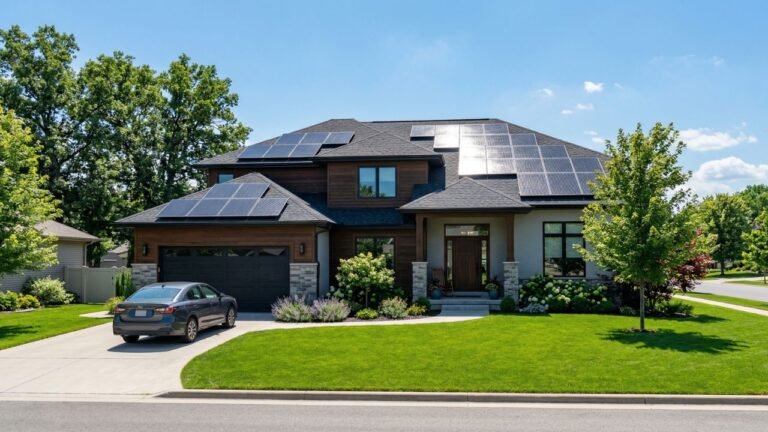
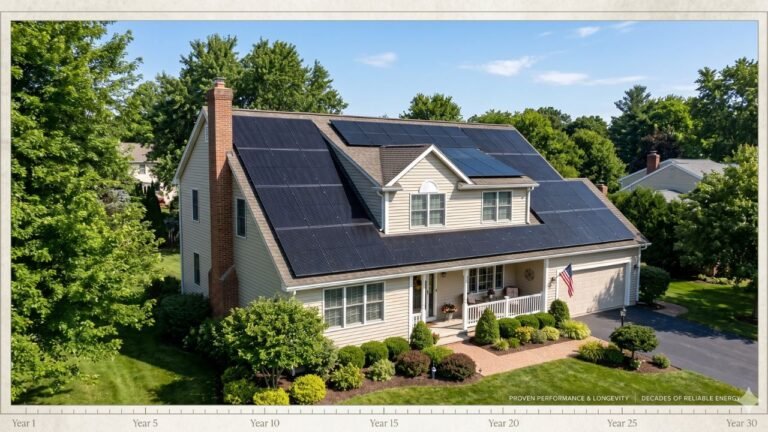
If you’re thinking about switching to solar, you’ve probably asked yourself, how heavy are solar panels? It’s a fair question, especially when you’re picturing a full residential solar installation on your roof.
At Solar Panel Insights, we hear this all the time from folks just starting their research. The good news? Most standard home solar panels weigh between 40 and 50 pounds each. That’s manageable for most roofs, and it adds up to real solar energy savings over time without turning your house into a structural nightmare.
We’ll break down everything from average weights to how panel weight affects your installation. We’ll keep it straightforward, no jargon overload, so you can feel confident chatting with installers or even your neighbors about going solar.
Now, let’s dive into the details that matter most for homeowners and small businesses.
Why Solar Panel Weight Matters for Your Residential Solar Installation
Weight isn’t just a number on a spec sheet. It plays a big role in whether your roof can handle the system, how easy (or tricky) the installation goes, and even the long-term safety of your home.
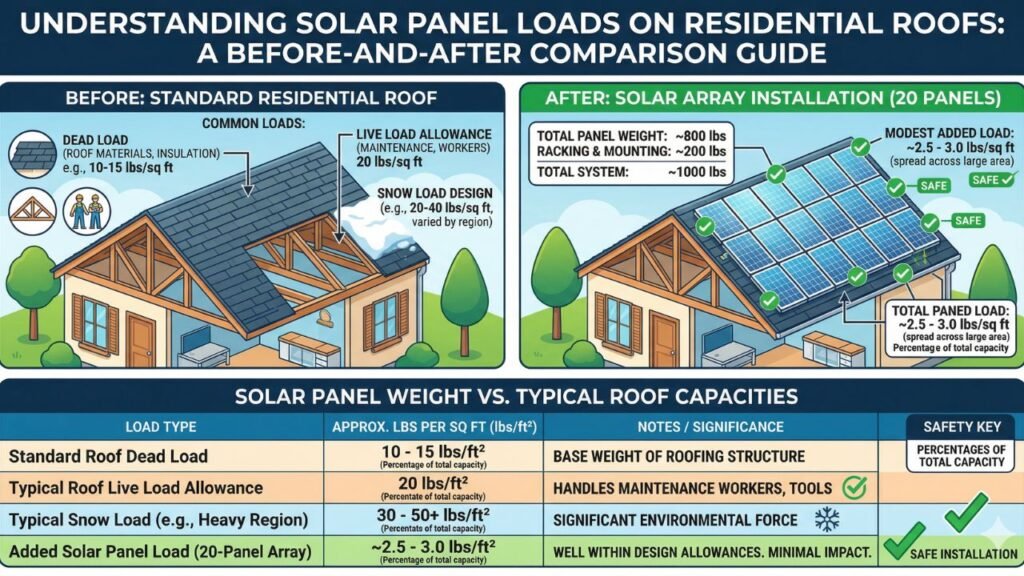
Think about it: a full solar array might add 800 to 1,200 pounds across your roof. But don’t worry. Most modern homes are built to support far more, like snow loads or heavy shingles.
Typical Weights for Different Solar Panels
Let’s get specific on how heavy are solar panels in 2026. For residential setups, you’re looking at panels with around 60 solar cells. These usually tip the scales at 40 to 50 pounds each.
The sweet spot? About 42 pounds on average for a high-quality monocrystalline panel.
Commercial or larger 72-cell panels push up to 50 or 60 pounds because they’re bigger. But for your home? Stick with the residential ones. Here’s a quick breakdown:
- Standard 60-cell residential panel: 40-50 pounds (most common for homes)
- High-efficiency models: Often 42-48 pounds (they pack more power without extra bulk)
- Thin-film or flexible panels: As light as 25-35 pounds (great for certain roofs, but less common)
To put it in perspective, picture carrying a large bag of dog food up a ladder. That’s about the feel of one panel. A typical home system with 20 panels? The panels alone add around 800 pounds total. Spread that out, and it’s no big deal for most structures.
What Factors Influence Solar Panel Weight?
Not all panels weigh the same, and a few key things make the difference. First up is the type of solar cells. Monocrystalline panels, which are super efficient and popular right now, tend to sit right in that 40-45 pound range. Polycrystalline ones might add a couple pounds because of their makeup.
Thin-film panels? They’re the lightweight champs, sometimes dropping below 40 pounds, but they usually produce less power per square foot.
Size matters too. A standard residential panel measures about 5.5 feet by 3.25 feet. That’s roughly 18 square feet, giving you around 2.3 pounds per square foot from the panel itself. The frame and thick tempered glass do most of the heavy lifting, literally.
Brands vary a bit too. Some premium ones shave off weight with smarter designs, while others add durability that bumps the pounds up slightly.
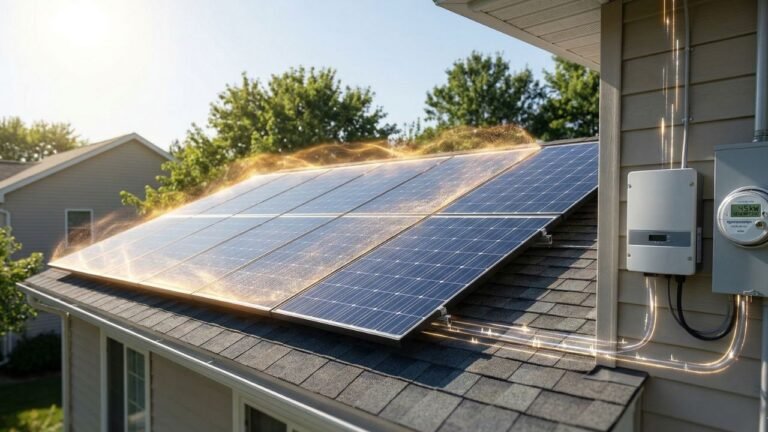
Mounting hardware adds another layer. Racking systems, brackets, and wiring push the total system load to about 3 to 4 pounds per square foot. That’s still light compared to a foot of snow, which can hit 20 pounds per square foot in some areas.
Pro tip: When shopping, always check the manufacturer’s spec sheet for exact weight. It takes two minutes and could save you from surprises.
How Much Weight Do Solar Panels Add to Your Roof?
Here’s where things get practical. For a 6-kilowatt system, common for an average home, expect 15 to 25 panels. That means 600 to 1,000 pounds from the panels, plus another 200-400 from the mounts. Spread over 300-400 square feet of roof space, you’re looking at 3-4 pounds per square foot total.
Most roofs built in the last 30 years handle this easily. Older homes? A structural engineer can confirm with a quick inspection, often for under $500. We recommend this step for peace of mind, especially if your roof is over 15 years old or in a high-wind area.
Take my neighbor, for example. He switched to solar last year on a 20-year-old roof. The installers ran the numbers, confirmed the 3.5 pounds per square foot load, and even reinforced one spot. Now he’s saving $120 a month on electricity.
Stories like his pop up all the time at Solar Panel Insights.
If you’re worried about weight, ground-mounted systems or carport options skip the roof entirely. They’re a smart alternative for older homes or businesses with plenty of yard space.
Installation Tips and Safety Considerations
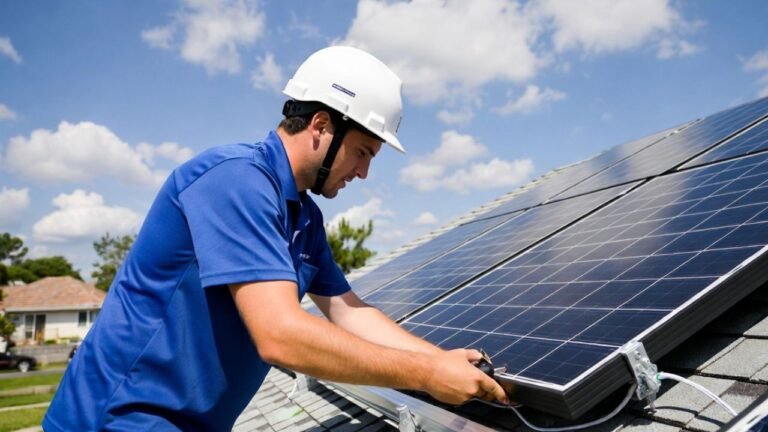
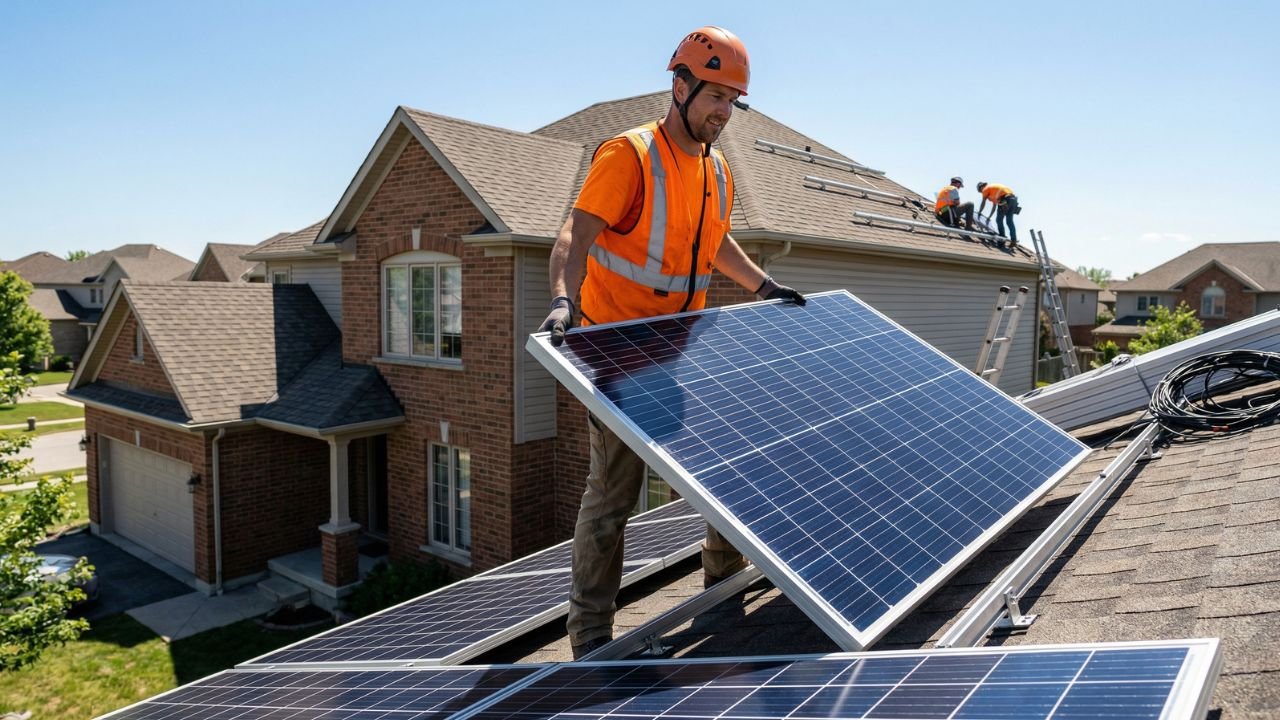
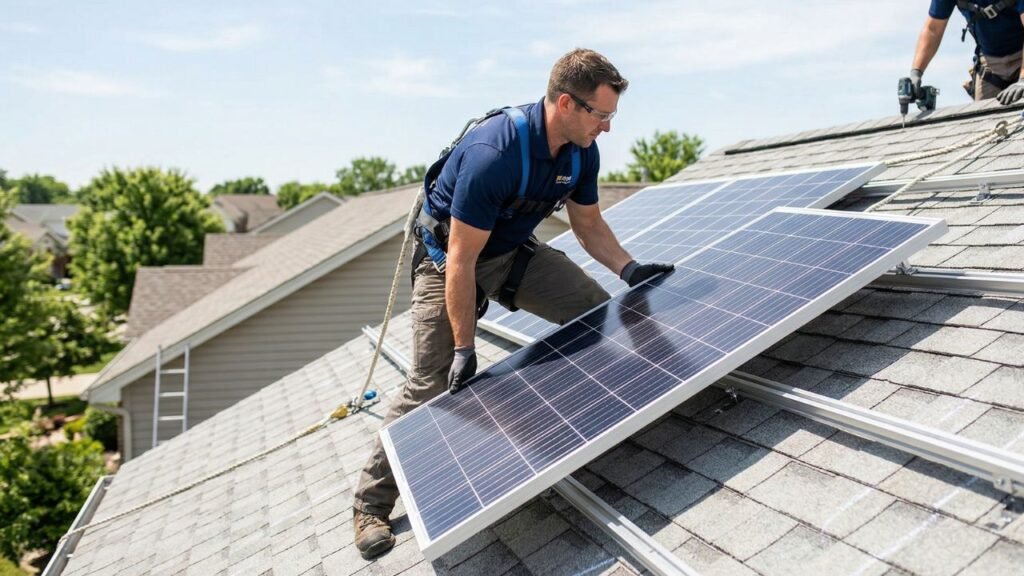
Handling heavy panels takes teamwork. Pros use special carts and hoists, so you won’t be lifting solo. Still, understanding the weight helps you pick a qualified crew. Ask about their experience with your roof type during quotes.
Safety first: Always secure panels during storms or high winds. Modern systems lock down tight, and the weight actually helps them stay put once installed. Plus, with proper setup, your roof stays protected under the panels for years.
Are Lighter Solar Panel Options Worth It?
Yes, if your roof needs it. Look for high-efficiency panels that deliver more power in fewer units. That cuts total weight while boosting solar energy savings. Some newer models use lighter composites without losing durability.
Thin-film panels shine here too, especially for curved or low-load roofs. They’re flexible and weigh less per square foot, though they might need more space for the same output.
| Solar Panel Type | Average Weight (per panel) | Weight per Sq Ft | Best For |
|---|---|---|---|
| Monocrystalline | 40-48 lbs | ~2.3 lbs | High efficiency, limited roof space |
| Polycrystalline | 42-50 lbs | ~2.4 lbs | Budget-friendly setups |
| Thin-Film | 25-40 lbs | ~1.5-2 lbs | Lightweight or flexible roofs |
This table shows why monocrystalline often wins for homeowners balancing weight and performance.
Long-Term Benefits: Weight vs. Solar Energy Savings
Don’t let weight scare you off. The upfront planning pays off big in lower bills and energy independence. Federal incentives, like those detailed on energy.gov, can cut costs by 30 percent or more. Many states add extra rebates too. Check the Solar Energy Industries Association (SEIA) site for your area’s programs.
A full system might pay for itself in 6-8 years through savings. After that? Free power. And with panels lasting 25-30 years, the weight becomes a non-issue fast.
Ready to move forward? Get multiple quotes and mention your roof concerns. Installers love chatting about this stuff.
Future Trends in Solar Panel Design
As technology evolves, expect even lighter, more efficient panels by 2027. Some companies are testing ultra-thin glass and advanced frames that drop weight by 10-15 percent without cutting power.
FAQs About How Heavy Are Solar Panels
How Can I Check If My Roof Can Support Solar Panels?
Start with your home’s original blueprints or a quick call to your local building department. Most pros offer free assessments. If needed, a structural engineer steps in for under $300-500 in most areas. It’s worth it for older homes.
Do Lighter Solar Panels Cost More?
Often yes, but the premium pays off in easier installs and potential roof savings. High-efficiency lightweight models might run 10-20 percent higher upfront, yet they reduce the number of panels needed, balancing costs long-term.
What Happens If My Roof Can’t Handle the Weight?
No problem. Opt for ground mounts, pole mounts, or even solar carports. These avoid roof weight entirely while still delivering full solar energy savings. Many businesses choose this route for warehouses or lots.
Understanding how heavy are solar panels takes the mystery out of going green. Most homeowners find the numbers reassuring once they see the full picture. If you’re in the planning stages, reach out to a local installer today. Your future self (and wallet) will thank you.
Disclaimer: This article is for informational purposes only and is not a substitute for professional advice. Always consult a qualified structural engineer or licensed solar installer for your specific roof and location before proceeding with any residential solar installation. Data reflects industry averages as of 2026 and may vary by manufacturer.