Do Solar Panels Damage Roof?

Hey there, roof-conscious homeowner. If you are scrolling through solar options and suddenly pause at the big question do solar panels damage your roof, you are not alone. Plenty of folks worry that bolting panels up there could lead to leaks, shingle wear, or worse down the road.
Here at Solar Panel Insights, we get the concern. After all, your roof is a major investment. But the good news? When done right, solar panels do not damage your roof. In fact, they can actually protect it and add to your solar energy savings over time.
We will break this down with straight talk, real numbers, and practical tips so you feel confident about a residential solar installation. No hype, just what you need to know in 2026.
By the end, you will see why thousands of families across the country install panels every month without a single roof headache.
The Real Story Behind Solar Panels and Roof Concerns
The worry about do solar panels damage your roof usually stems from old stories or DIY horror tales. You hear whispers about holes, leaks, or voided warranties.
But modern installs have come a long way. In 2026, certified crews use proven methods that keep your roof watertight for decades.
I chatted with a neighbor last fall who went solar. His roof was 12 years old, and he was nervous. Two years later? Zero issues, and his electric bills dropped 80 percent.
Stories like his are the norm when you choose the right team.
The key is preparation and quality. Most roofs handle the setup just fine.
Now, let us look at what actually happens during a residential solar installation.
The Truth: Solar Panels Do Not Damage Roofs When Installed Properly
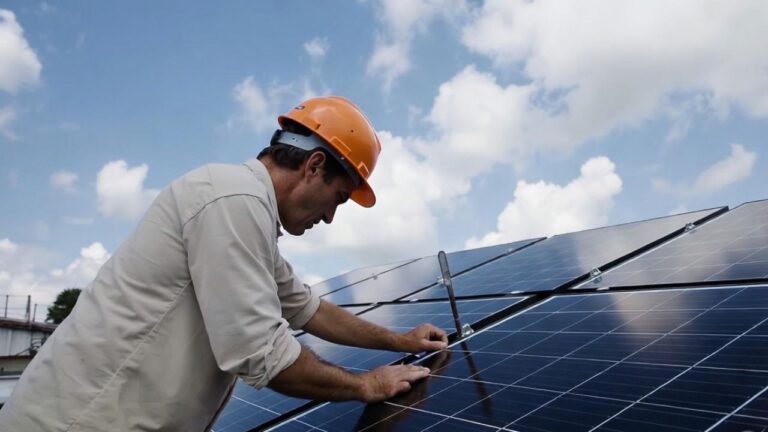
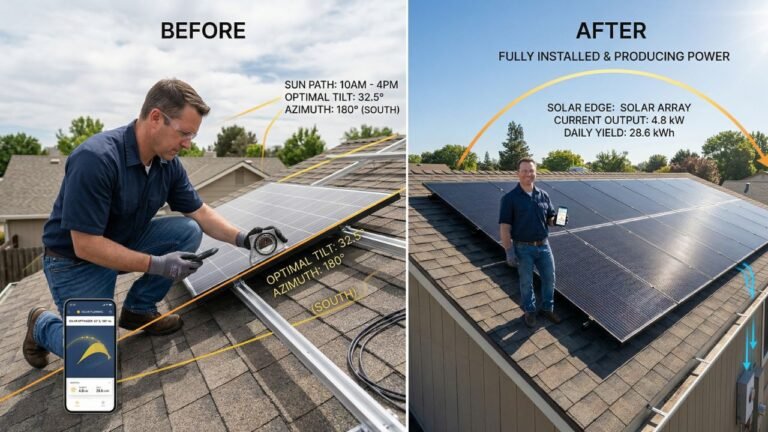
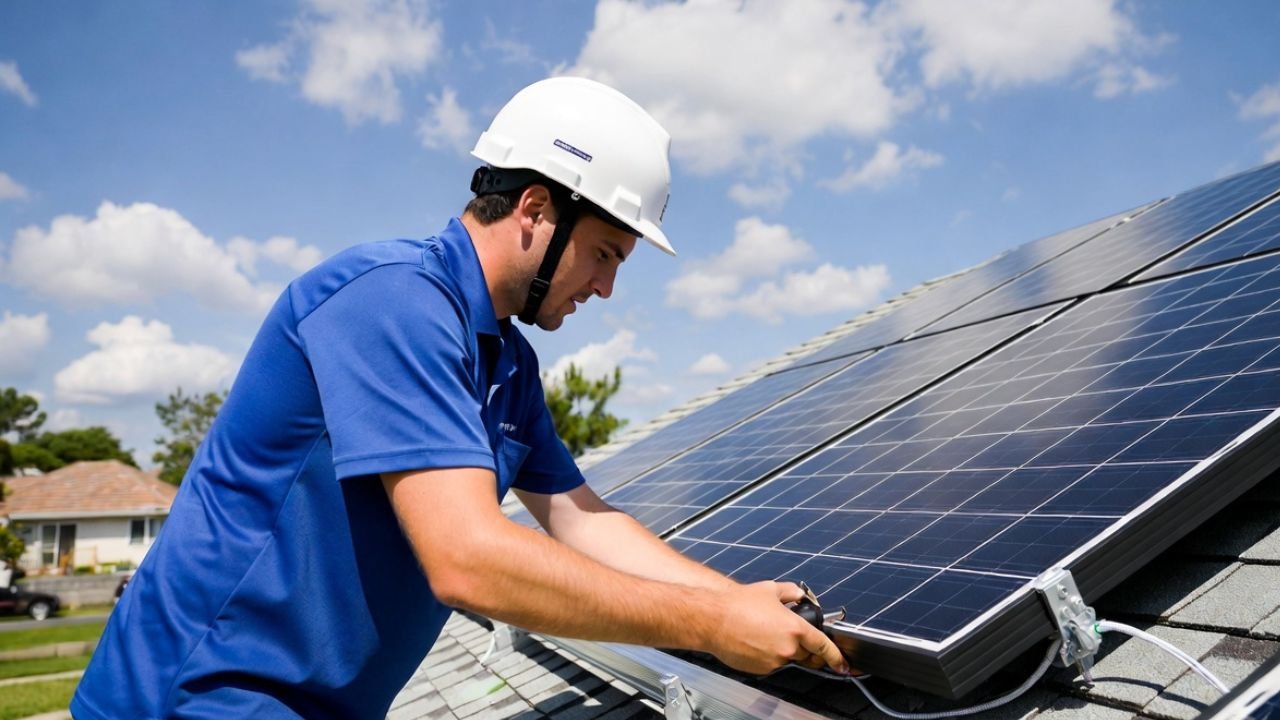
Here is the bottom line. Professional solar crews design systems to work with your roof, not against it. They run structural checks first.
Panels add only about two to three pounds per square foot. That is well under what a standard roof supports, often 20 pounds or more per square foot. So weight is rarely the villain.
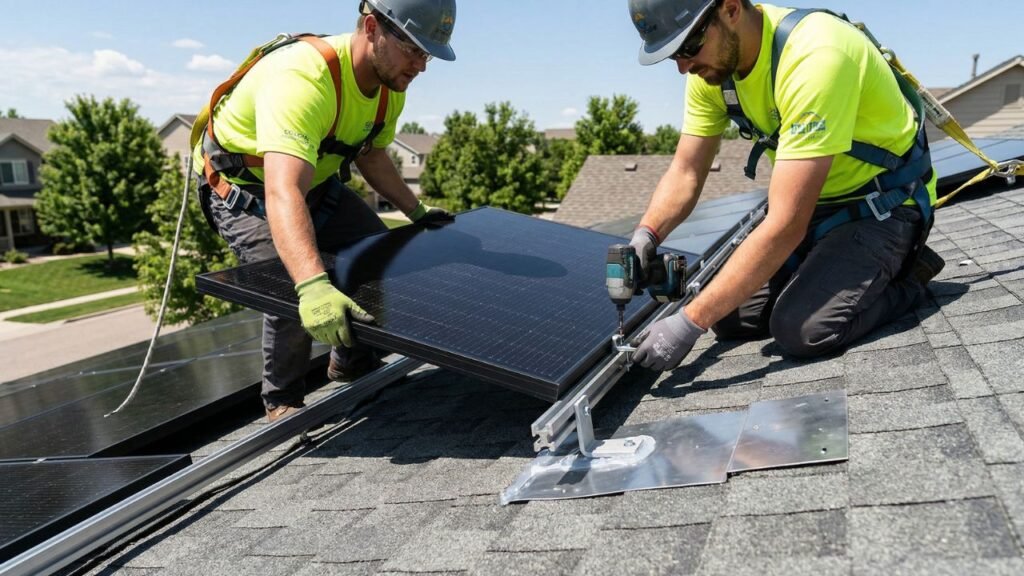
The real secret? Proper sealing. Installers use special flashing and boots around every penetration point. These create a waterproof barrier that actually makes the roof stronger against rain and snow.
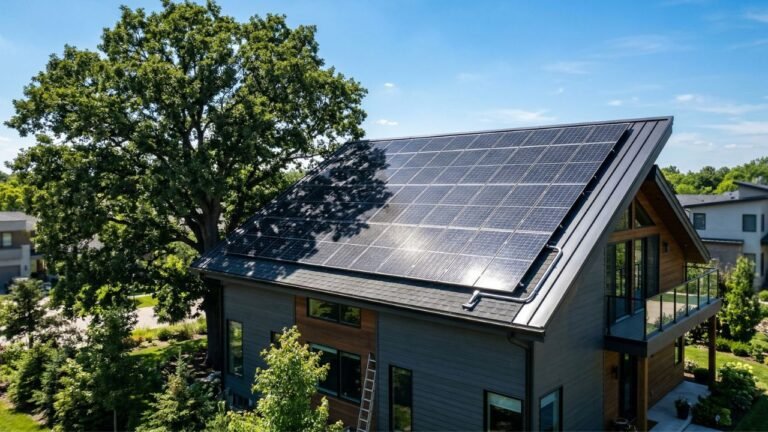
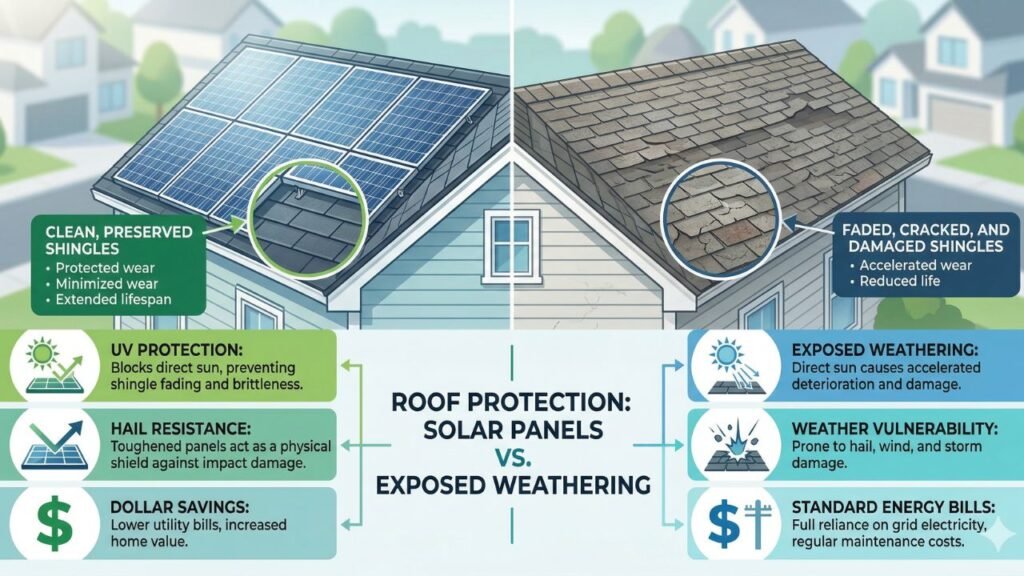
In fact, the shaded areas under panels often stay in better shape because they avoid direct UV rays, hail, and debris.
Studies from the past few years confirm this. When pros handle the job, roof damage from solar is extremely rare. Your solar panel efficiency stays high without compromising the house underneath.
Common Myths About Solar Panels and Roof Damage
Let us clear the air on a few myths you might have heard.
- Myth: Panels poke holes everywhere and cause leaks. Truth: Only a few secure points go through the roof. Flashings seal them perfectly.
- Myth: The weight crushes old roofs. Truth: A quick inspection spots any weak spots upfront. Most homes qualify easily.
- Myth: It voids your roof warranty. Truth: Not if the installer follows manufacturer guidelines. Many roofers even approve it.
- Myth: Panels make roofs hotter and wear faster. Truth: Airflow under the panels keeps things cooler than you think.
These myths scare people off, but the facts point to safe, long-term installs. Now, let us talk prevention.
How Proper Installation Prevents Any Roof Issues
A smart residential solar installation starts long before the first panel goes up. Here is what good crews do to keep your roof happy:
- Roof inspection. They check age, material, and condition. If your roof needs replacing soon, do that first. It saves money later.
- Structural assessment. Engineers confirm the rafters can handle it. No guesswork.
- Custom racking. They pick mounts that match your roof type, whether shingles, metal, or tile.
- Sealing every point. High-quality flashing and sealants block water for 25 years or more.
- Minimal foot traffic. Crews use protective mats and work efficiently to avoid scuffs.
- Post-install check. They test for leaks right away and schedule follow-ups.
Choose NABCEP-certified installers, and you slash the risk to almost zero. Many offer workmanship warranties that cover any rare issues for 10 years or longer.
Here is a quick comparison table to see the difference:
| Factor | Poor Installation Risks | Proper Installation Benefits |
|---|---|---|
| Water Sealing | Possible leaks over time | Watertight for decades |
| Roof Weight | Added stress on weak areas | No issue on standard roofs |
| UV and Weather | No protection | Shields covered sections from damage |
| Warranty Impact | May void roof coverage | Often preserves or enhances it |
| Long-Term Savings | Repair costs eat into benefits | Boosts solar energy savings with peace of mind |
This shows why picking the right crew matters so much.
Solar Panels Can Actually Protect Your Roof Long-Term
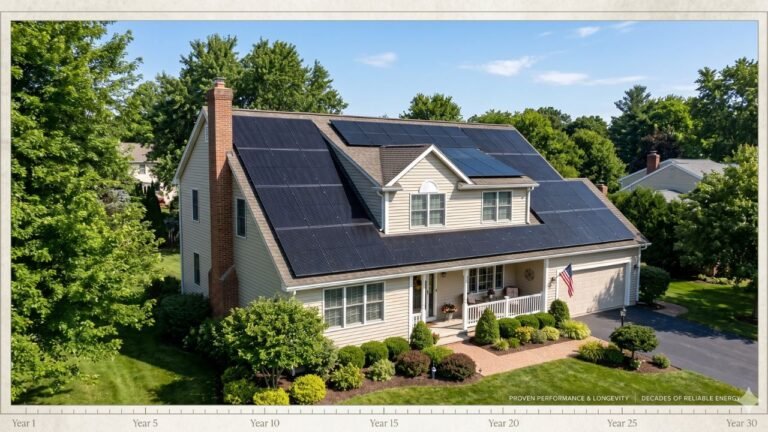
Flip the script for a second. Many homeowners notice their roof under the panels looks newer after a few years. The panels block harsh sun, which fades shingles faster.
They deflect hail and reduce wind uplift in storms. In snowy areas, the setup helps snow slide off without extra buildup.
That protection ties directly into your solar energy savings. A healthy roof means no surprise repairs pulling from your utility bill cuts.
Plus, homes with solar often sell faster and for more money because buyers love the combo of lower energy costs and a durable roof.
Step-by-Step Guide to a Roof-Safe Residential Solar Installation
Ready to move forward without the worry? Follow this simple path:
- Review your roof. Get a free inspection from a solar pro and a roofer if needed.
- Gather quotes. Ask three local installers about their roof-protection methods.
- Check warranties. Confirm both solar and roof warranties stay intact.
- Plan the layout. Avoid heavy shading or odd angles that strain the setup.
- Schedule smartly. Install when the roof is in peak condition.
- Maintain yearly. A quick visual check keeps everything perfect.
It feels straightforward once you start. At Solar Panel Insights, we always say the best defense is a quality install from day one.
Boosting Your Solar Panel Efficiency Without Roof Risks
Modern panels hit 20 to 23 percent efficiency, so you get more power from less space. That means fewer mounts and less impact on your roof. Pair them with microinverters for even better output on varied roof sections.
If your roof has some age on it, consider a battery add-on later. It stores extra power without changing the roof setup. The whole system works together to maximize solar energy savings while keeping your home safe.
Addressing Other Common Roof-Related Solar Questions
Some folks ask about fire risks or wind. In 2026, panels meet strict codes for both. They actually help in high winds by adding ballast when mounted right. And for flat roofs, non-penetrating ballasted systems skip holes entirely.
Maintenance stays easy. Rinse panels a couple times a year, and your roof benefits from the shade. No extra work needed.
Why Going Solar Still Makes Sense for Your Roof and Wallet
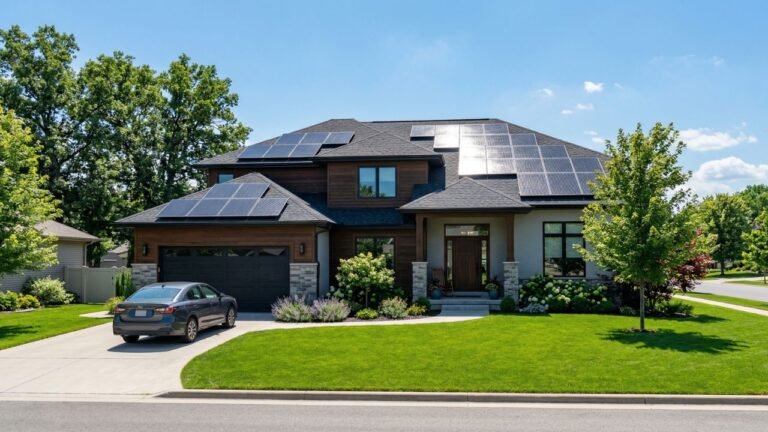
So, do solar panels damage your roof? Not when you go with pros who know what they are doing. You get lower bills, energy independence, and often a longer-lasting roof. The upfront planning pays off big in solar energy savings and home value.
If your roof is solid, 2026 is a great time to explore. Reach out to a trusted local installer for a no-obligation roof check. You will sleep better knowing your investment is protected from the start.
FAQs About Do Solar Panels Damage Roof
Do solar panels damage your roof if installed incorrectly?
Yes, poor sealing or wrong mounts can cause leaks or wear. That is why you must hire experienced crews. Proper jobs avoid these problems completely.
Will adding solar panels void my existing roof warranty?
Usually not. Most roof manufacturers allow solar if the installer follows their guidelines. Always double-check with your roofer before starting.
How can I make sure my residential solar installation protects my roof?
Start with a full roof inspection, choose certified installers, and review the sealing plan. Many offer long warranties that cover any rare issues.
Solar setups keep getting smarter, and roof safety is baked in when you do it right. Thanks for reading at Solar Panel Insights. We are here with more real-world advice whenever you need it.
Disclaimer: This post shares general information based on current 2026 data and is not financial, tax, or legal advice. Actual results vary by roof type, installation quality, and local conditions. Always consult a qualified solar professional, roofer, and your warranty provider for personalized details.